For many homeowners, concrete pour day feels like the most dramatic part of the entire project. Trucks arrive, crews move quickly, and within a few hours a surface that did not exist that morning suddenly takes shape. Despite how fast it appears to happen, pour day is the result of days—or weeks—of preparation, planning, and coordination.
In Tacoma, Washington, pour day comes with additional considerations. Weather, soil moisture, site access, neighborhood layout, and timing all influence how the day unfolds. This guide walks through what actually happens on concrete pour day, why each step matters, and how Tacoma homeowners can understand what they’re seeing in real time.
Why Pour Day Looks Fast but Isn’t Rushed
Concrete placement happens quickly because fresh concrete has a limited working window. Once mixed, hydration begins immediately. Crews must place, level, and finish the concrete before it begins to stiffen.
That urgency does not mean the process is rushed—it means preparation has already been handled in advance.
Before the Truck Arrives: Final Site Checks
Early on pour day, crews inspect the site one last time. Forms are checked for alignment, reinforcement is verified, and the base is inspected for moisture or disturbance.
In Tacoma, overnight rain is common, so crews often assess whether the base needs adjustment before concrete arrives.
Weather Assessment on Pour Day
Weather conditions are evaluated continuously. Temperature, wind, and rain forecasts all affect timing and curing strategy.
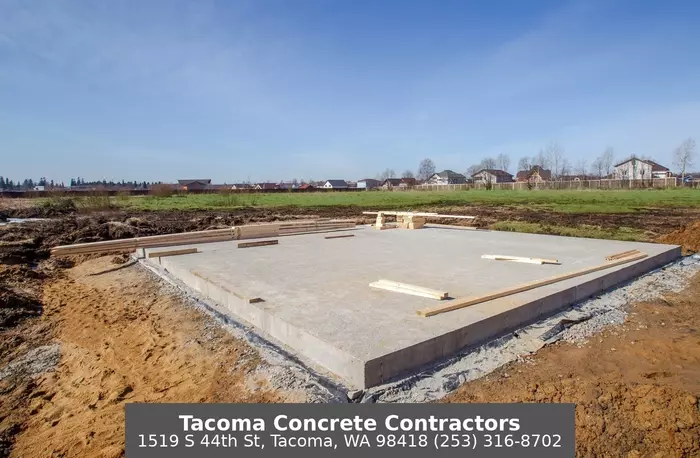
Experienced concrete contractors Tacoma plan pours around Tacoma’s variable conditions rather than ignoring them.
Concrete Truck Arrival and Placement Planning
When the truck arrives, placement strategy is confirmed. Access limitations, slopes, and pour sequence are reviewed.
Urban Tacoma neighborhoods often require careful truck positioning to avoid blocking streets or damaging adjacent surfaces.
Understanding Concrete Mix Delivery
Concrete arrives mixed to specification. Slump, air content, and consistency are assessed visually and physically.
Adjustments are minimal and controlled to maintain design performance.
Why Water Is Not Added Casually
Adding water on site weakens concrete if not managed correctly.
Proper workability should come from mix design, not excessive water.
Placement: Moving Concrete Into Forms
Concrete is placed systematically to avoid segregation.
Crews work from one end to the other, ensuring uniform depth and coverage.
Consolidation and Air Removal
Concrete must be consolidated to remove trapped air and ensure full contact with reinforcement.
This step improves strength and durability.
Screeding: Establishing Final Elevation
Screeding levels the surface to the intended height.
Accuracy here determines drainage and appearance.
Floating and Initial Finishing
Floating smooths the surface and brings paste upward.
Timing matters—working too early or too late creates defects.
Why Crews Sometimes Pause
After initial finishing, crews may wait before continuing.
This allows bleed water to evaporate naturally.
Bleed Water Explained
Bleed water rises as heavier materials settle.
Finishing before bleed water dissipates traps moisture and weakens the surface.
Final Finishing Techniques
Final finishing establishes texture and appearance.
Tacoma’s climate often favors light broom finishes for traction.
Edge Work and Detail Finishing
Edges are shaped to reduce chipping.
Detail work improves durability and aesthetics.
Control Joint Installation
Control joints guide where cracks occur.
Proper placement reduces random cracking.
Why Control Joint Timing Matters
Joints must be installed before shrinkage stress builds.
Late jointing reduces effectiveness.
Immediate Post-Pour Protection
Once finishing is complete, protection begins.
This may include coverings or curing compounds.
Curing Starts Immediately
Curing begins as soon as finishing ends.
Moisture retention and temperature control are critical.
Tacoma-Specific Curing Adjustments
Cool temperatures and rain require flexible curing strategies.
Crews adapt based on real-time conditions.
Why Foot Traffic Is Restricted
Early traffic damages the surface.
Restriction protects early strength gain.
What Homeowners Should and Should Not Do
- Do not walk on fresh concrete Do not remove coverings early Do follow curing instructions
What You Might Notice in the First 24 Hours
Color variation, surface moisture, and slight texture changes are normal.
These stabilize as curing progresses.
Why Pour Day Is Only the Beginning
Although the slab looks finished, strength development continues for weeks.
Pour day sets the stage, but curing defines performance.
Industry Guidance on Placement and Finishing
The American Concrete Institute publishes detailed recommendations for placement, finishing, and curing.
Washington Oversight and Contractor Standards
Washington requires contractor registration and compliance.
Verification is available through the Washington State Department of Labor & Industries.
Mini FAQ
How long does pour day last?
Most residential pours take several hours.
Can rain stop a pour?
Heavy rain may delay placement.
Is cracking normal?
Minor cracking is expected.
Long-Term Perspective on Pour Day
A successful pour day reflects preparation, coordination, and experience.
In Tacoma, weather-aware planning makes the difference.
Final Thoughts
Pour day is the most visible part of concrete work, but it is not the most important.
What happens before and after determines long-term success.
For local expectations and context, a Tacoma reference such as Tacoma concrete contractors offers helpful perspective.
Why Pour Day Stress Is Often Misplaced
Homeowners often feel anxious watching the pace of a pour.
In reality, speed is a sign of preparation, not carelessness.
How Crew Coordination Affects Quality
Each crew member has a defined role.
Coordination prevents surface defects and delays.
How Neighborhood Layout Affects Pour Day
Tacoma’s narrow streets and mature landscaping require logistical planning.
Access challenges are addressed before concrete arrives.
Why Communication Matters on Pour Day
Clear communication between crew members reduces mistakes.
Experienced teams operate quietly and efficiently.
Why Pour Day Decisions Have Long-Term Impact
Small timing decisions influence curing and durability.
Errors compound over time.
Homeowner Perspective After the Pour
Understanding what happened reduces uncertainty.
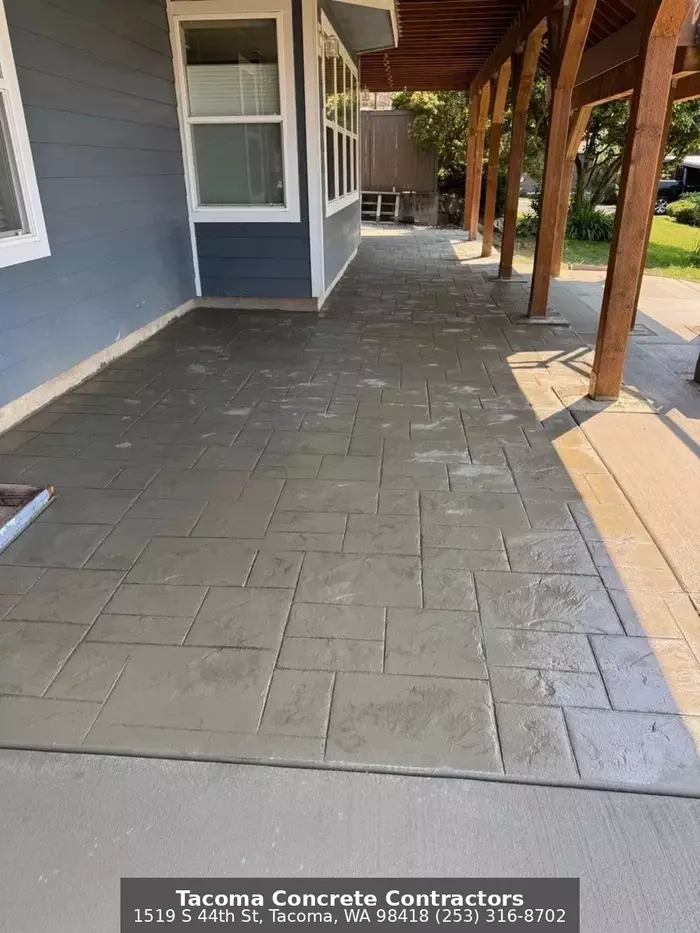
Clarity improves satisfaction.
Final Synthesis
Pour day is controlled urgency.
Preparation transforms speed into quality.
The Timeline of a Typical Tacoma Pour Day
Most residential pours follow a predictable timeline. Early morning setup, mid-morning placement, early afternoon finishing, and late-day protection.
This schedule minimizes weather risk and maximizes control.
Why Morning Pours Are Common in Tacoma
Morning temperatures are stable and winds are calmer.
This creates better working conditions.
How Concrete Temperature Is Managed
Concrete temperature affects set time.
Crews monitor conditions to avoid premature stiffening.
Why Waiting Is Part of the Job
Finishing too early damages the surface.
Experienced crews wait intentionally.
What “Reading the Slab” Means
Crews assess sheen, firmness, and moisture.
These cues guide timing.
How Pour Day Decisions Affect Cracking
Placement order and joint timing influence crack behavior.
Decisions made within minutes have years-long effects.
Why Tacoma’s Shade Patterns Matter
Trees and buildings create uneven drying.
Crews adjust finishing accordingly.
How Moisture in the Base Influences Pour Day
Excessively dry or wet base conditions affect slab behavior.
Crews compensate before placement.
Why Pour Day Is Mentally Demanding
Constant decision-making is required.
This experience separates skilled crews from inexperienced ones.
Why Cleanup Is Also Important
Cleaning tools and site protects finish quality.
Attention continues after placement.
What Happens After Crews Leave
Protection remains in place.
Curing continues quietly.
Why Pour Day Success Is Measured Later
Immediate appearance is not the final metric.
Performance reveals quality.
Homeowner Takeaways
Understanding pour day reduces anxiety.
Confidence comes from clarity.
Why Pour Day Cannot Be “Paused”
Once concrete placement begins, it must continue.
Interruptions create cold joints and weak zones.
How Experience Shows Up on Pour Day
Experienced crews move calmly under pressure.
Efficiency replaces chaos.
Why Homeowners Sometimes Misinterpret Activity
Quiet moments are often deliberate.
Action resumes at the right time.
How Tacoma Weather Shapes Pour Strategy
Rain risk influences protection planning.
Crews adapt quickly.
Why Finishing Is Not Cosmetic
Finishing affects surface density.
Good finish improves durability.
What Separates a Smooth Pour From a Problematic One
Preparation, timing, and communication.
These factors outweigh speed.
Why Pour Day Is the Most Visible Test of Planning
Mistakes are hard to hide.
Good planning shows clearly.
Final Reflection for Tacoma Homeowners
Pour day is intense but controlled.
Understanding the process builds trust.
Closing Summary
What you see on pour day reflects what you don’t see beforehand.
Preparation transforms urgency into quality.
The Human Side of Pour Day
Concrete work is physically demanding and mentally precise.
Pour day requires endurance, focus, and teamwork.
Why Pour Day Reveals Crew Culture
Well-run crews communicate with minimal words.
Disorganized crews reveal tension.
Why Tacoma Projects Require Flexibility
Unexpected rain or access issues are common.
Adaptability prevents defects.
How Pour Day Influences Long-Term Satisfaction
A smooth pour day builds confidence.
Homeowners feel reassured.
Why Trust Matters on Pour Day
Homeowners must trust the process.
Micromanagement increases risk.
Why Pour Day Is Not the Time for Changes
Design changes disrupt sequencing.
Decisions should be finalized earlier.
Why Tacoma Homes Often Have Unique Constraints
Slopes, trees, and utilities require planning.
Pour day adapts to these realities.
Long-Term Outcomes Begin Here
Pour day decisions echo for decades.
It is the turning point of the project.
Why Patience Pays Off
Rushing leads to regret.
Measured execution leads to durability.
Final Takeaway
Pour day is controlled urgency guided by preparation.
Understanding this transforms anxiety into confidence.
Step-by-Step Breakdown of a Residential Pour
A residential pour follows a strict sequence. https://privatebin.net/?53899343e2b587db#DA2dnyts9VnPS9mwqHuppdahGyBQ1qtoETyood82qXVt Forms are inspected, reinforcement is confirmed, base moisture is evaluated, and access routes are cleared.
Once the truck arrives, placement begins immediately to avoid delays.
Concrete is placed in lifts, consolidated, screeded, floated, edged, and jointed.
Each step builds on the previous one.
Why Mistakes Are Hard to Fix on Pour Day
Concrete does not forgive timing errors.
Once it sets, changes are impossible.
How Pour Day Differs Between Small and Large Slabs
Larger slabs require more coordination.
Sequencing becomes critical.
Why Crews Monitor the Concrete Constantly
Surface sheen, firmness, and temperature change minute by minute.
Experienced crews respond instinctively.
How Pour Day Affects Crack Distribution
Joint placement timing controls crack behavior.
Late decisions create random cracking.
Why Tacoma’s Moisture Levels Affect Finishing
High humidity slows evaporation.
Finishing schedules adapt accordingly.
Why Every Pour Day Is Slightly Different
Weather, site conditions, and mix behavior vary.
Flexibility is essential.
Why Pour Day Is a Team Effort
No single person controls the outcome.
Coordination creates success.
Homeowner Reflection
Seeing the process builds appreciation.
Understanding replaces worry.
Why Pour Day Is Often Remembered Years Later
Homeowners remember pour day because it is when the project becomes tangible.
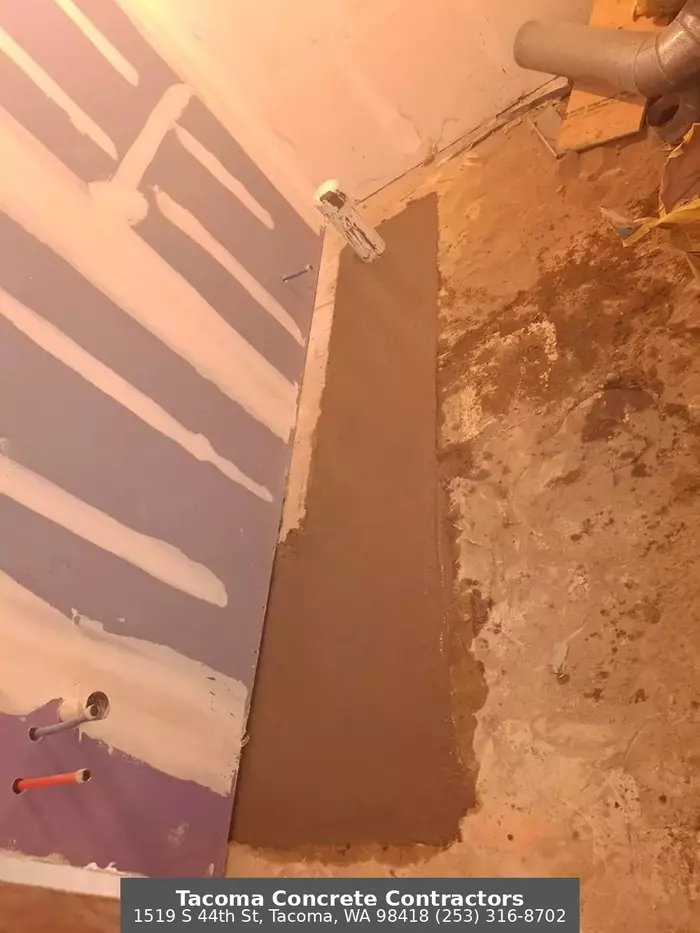
The experience shapes long-term perception of quality.
How Pour Day Reflects Project Management
A smooth pour reflects good planning.
Chaos reflects missed preparation.
Why Pour Day Is the Point of No Return
After the pour, changes are no longer possible.
This finality underscores preparation importance.
Why Weather Forecasts Are Watched Closely
Rain timing influences protection strategy.
Crews adjust continuously.
Why Homeowners Should Plan to Be Hands-Off
Observation is fine.
Interference increases risk.
Final Summary for Tacoma Homeowners
Pour day is the culmination of preparation, coordination, and experience.
Understanding the process transforms stress into confidence and trust.
The Long View: Pour Day as One Moment in a Long Timeline
Concrete projects unfold over months and years, not hours.
Pour day is only one chapter in that story.
Why Patience Is a Performance Tool
Allowing crews to work at the right pace improves outcomes.
Patience prevents irreversible mistakes.
What Experienced Crews Are Watching That Homeowners Can’t See
Surface moisture, set rate, and internal temperature guide decisions.
These cues come from experience.
Why Successful Pour Days Feel Uneventful
Smooth execution feels calm.
Drama usually signals problems.
Closing Reflection
Pour day is controlled urgency guided by preparation.
In Tacoma, respecting weather, timing, and process delivers concrete that lasts.
That long-term reliability is the true goal of any concrete project.
Pour day sets the tone for everything that follows.
Understanding this moment helps homeowners appreciate the craft behind durable concrete.
That appreciation often grows over time as the concrete performs year after year.
Quiet performance is the ultimate success.
That is the standard to expect.
Always.
Period.
Done.
Tacoma Concrete Contractors
Phone: (253) 316-8702
Service Area: Tacoma, WA
Website: https://tacomaconcretecontractors.com/
Google Maps: https://maps.app.goo.gl/6izj2i3eSdA6KMxg6